How to build low cortisol aim in Valorant with calm crosshair control
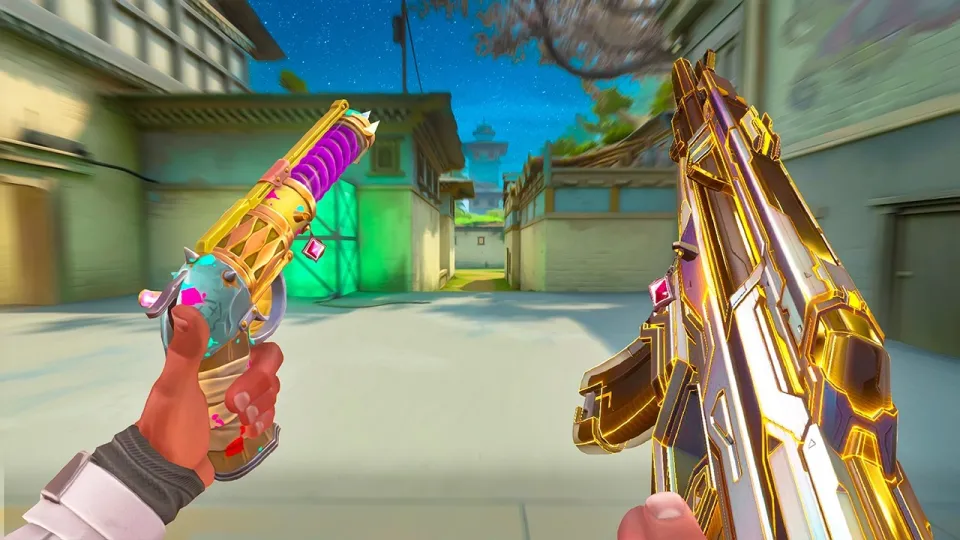
Video: low cortisol aim..
You can order the same kind of articles for your own video to boost it on YouTube and Google. Just message the Telegram bot @sat_sit_bot. It writes articles around your video, embeds the video and publishes them on popular niche websites (no ads). Try it free: 50 articles on us.
· based on the channel Rawzu
Low cortisol aim in Valorant is the habit of aiming with a relaxed hand and steady crosshair placement instead of frantic flicks and grip tension. The practical recipe is a sensitivity you can control with the wrist and forearm, a crosshair that does not hide heads, and movement that keeps the crosshair at head height before the enemy appears. Rawzu's Phoenix gameplay is a useful reference point for that style, and players who want to optimize their PC for Valorant first can grab the Hone setup through the Hone optimization link.
What low cortisol aim actually means in Valorant
Low cortisol aim is a description of a playing style, not a training program or a supplement: it means the player's hand stays loose, the mouse is not squeezed, and the crosshair is already where the enemy will be. In tactical shooters this shows up as small corrections instead of large swipes, and as patience before the shot rather than spray-and-pray reactions. The phrase fits a genre of clips where the aim looks almost boring — no wild flicks, no shaking, just heads disappearing one after another. That is the effect Rawzu's calm Phoenix footage is going for, and it is reproducible with a few concrete settings and habits.
The Rawzu settings behind calm Phoenix aim
Rawzu's configuration is deliberately low-sensitivity and high-refresh, which is the standard foundation for steady aim. His listed setup:
- Sensitivity: 400 DPI with 0.625 in-game, which is a slow, forearm-driven eDPI of 250.
- Resolution: 1440x1080, a stretched 4:3-style aspect that widens player models.
- Crosshair: 1-6-2-2, a small static-style reticle with visible outlines.
- Mouse: Logitech G Pro X Superlight 2.
- Mousepad: Artisan Zero Soft, a control-oriented cloth pad.
- Monitor: Zowie XL2566K at 360Hz.
A 250 eDPI is low enough that most players will need arm movement for wide turns, which is exactly what keeps the wrist relaxed during small adjustments. The Artisan Zero Soft adds stopping friction, and the 360Hz panel reduces the visual smearing that makes tracking feel twitchy. None of these items create calm aim on their own, but together they remove reasons for the hand to overcorrect.
How to copy the low cortisol aim routine step by step
Copying a calm aim style means changing habits before hardware. Work through these steps in order:
- Lock a sensitivity you can control. If your crosshair overshoots heads in the range, drop sensitivity in small increments until a full wrist sweep covers roughly a 90-degree turn.
- Use a crosshair you can read. A small reticle with a visible outline, similar in spirit to 1-6-2-2, keeps the head visible at long angles on maps like Icebox.
- Pre-aim every angle at head height. Walk corners with the crosshair already on the likely head position so the shot needs only a micro-adjustment.
- Counter-strafe before firing. Tap the opposite key to stop, then shoot; moving while shooting is the biggest source of panicked aim in Valorant.
- Breathe and loosen your grip between rounds. A death grip on the mouse is the physical signature of high-tension aim.
- Warm up with slow, deliberate taps rather than fast flicks, and stop when accuracy drops instead of grinding through fatigue.
Why Phoenix rewards a low-tension aim style
Phoenix is an offensive duelist who specializes in hunting enemies while crippling their ability to fire back, so his kit rewards players who stay composed. Blaze creates a vision-blocking wall that also damages anyone crossing it, which lets Phoenix take contested open areas without exposing himself to a clean angle. Curveball blinds enemies even when they are tucked behind corners, giving him a safe window to swing. Hot Hands adds self-healing area damage, and the Run it Back ultimate lets him push aggressively and return to a marked spot if he dies. All of that only pays off if the follow-up shot is calm: a flashed enemy still needs a precise head-level crosshair, and a duelist who panics after the entry wastes the utility.
Common doubts about calm aim and settings
Players often assume a calm aim clip means the player is using something secret, or that low sensitivity is only for professional players. Neither is true: the visible difference comes from crosshair placement and movement, and most of the settings are public. Another frequent question is whether a stretched resolution like 1440x1080 makes aiming easier — it widens models, which some players find helps with target visibility, but it also changes perceived speed, so it needs an adjustment period. Viewers also react to the non-gameplay moments in these clips, such as background audio and voice lines, which is a reminder that calm aim content is as much about atmosphere as about mechanics. If your own setup stutters or drops frames, fix that before chasing sensitivity changes, since inconsistent frame times ruin steady aim faster than any mousepad swap.
Useful links from the video
- Hone PC optimization for Valorant: https://hone.gg/a/rawzu
- Rawzu's original music on Spotify: https://open.spotify.com/artist/6DbATPR1PTNMx7U918bg1Q
- Rawzu's Discord community: https://discord.gg/axnFwyvxp3
Final thoughts on building calm aim
Low cortisol aim is a skill built from a controllable sensitivity, readable crosshair, disciplined pre-aim and a loose hand, and Rawzu's Phoenix footage shows what that looks like in practice. Start with the settings above as a baseline, then spend your practice time on counter-strafing and head-level crosshair placement rather than flick speed. Hardware such as the Superlight 2, Artisan Zero Soft and a 360Hz monitor helps, but it only amplifies habits you already have. If frame drops are part of your problem, run the Hone optimization through the Hone Valorant setup page before changing anything else. The breakdown above follows the style of the Rawzu channel, which pairs clean Phoenix gameplay with a deliberately quiet presentation.
Key takeaways
- Rawzu runs 400 DPI with 0.625 in-game sensitivity, a 1440x1080 resolution and crosshair code 1-6-2-2.
- His hardware: Logitech G Pro X Superlight 2, Artisan Zero Soft mousepad and a Zowie XL2566K 360Hz monitor.
- The 'low cortisol' label describes relaxed, low-tension aim rather than a specific training method or product.
- Phoenix is a duelist built around Blaze walls, Curveball flashes, Hot Hands and the Run it Back ultimate.
- Calm aim depends on crosshair placement and movement discipline more than on raw flick speed.
Questions & answers
What sensitivity does Rawzu use in Valorant?
Rawzu lists 400 DPI with 0.625 in-game sensitivity, which works out to roughly 250 eDPI. He also plays on a 1440x1080 resolution with crosshair code 1-6-2-2. It is a low-sensitivity setup built for forearm aiming and small corrections.
Does low cortisol aim require special hardware?
No. The term describes a relaxed, low-tension aiming style, not a product. Rawzu uses a Logitech G Pro X Superlight 2, an Artisan Zero Soft mousepad and a Zowie XL2566K 360Hz monitor, but the visible calmness comes mostly from crosshair placement, counter-strafing and grip control.
Why does Phoenix suit a calm aim playstyle?
Phoenix is an aggressive duelist whose Curveball blind and Blaze wall create safe entry windows, and Hot Hands plus Run it Back let him survive risky pushes. Those tools only convert into kills if the follow-up shot is precise, so a player with steady head-level aim gets more value from his utility.
Is a stretched resolution like 1440x1080 better for aiming?
It is a preference. A stretched 4:3-style resolution widens player models, which some players find easier to read at range, but it also changes how fast movement appears on screen. Try it in the range and give yourself a few sessions before judging it.
Source: low cortisol aim.. · Markdown version